
Candles That Hide a Truth: The Crypto-Jewish Origins of the “Paisa” Christmas
By: Germain
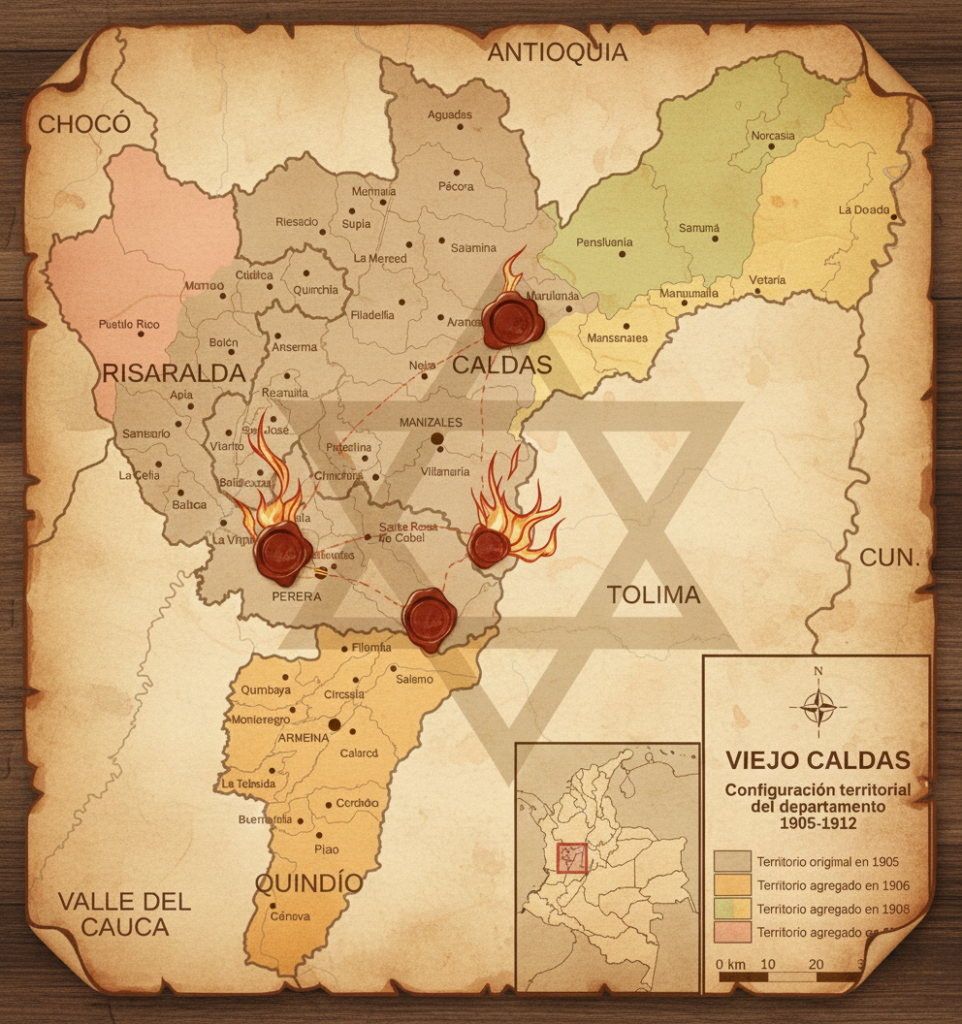
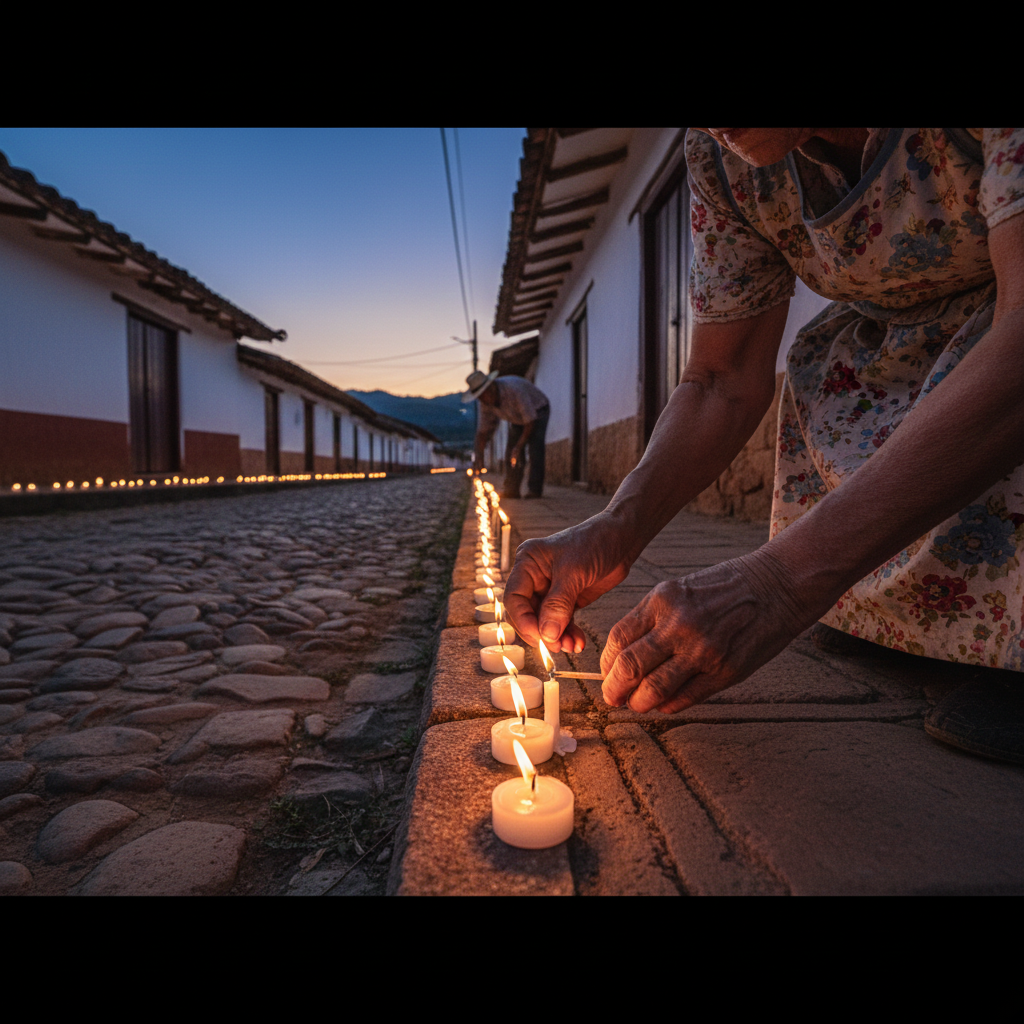
Have you ever wondered why in Antioquia, and in the departments of Caldas, Quindío, and Risaralda, we light candles every December 7th at sunset? What we popularly know today as the “Day of the Little Candles” (Día de las Velitas) might be much more than a Catholic tradition; it could be the echo of a spiritual resistance that has survived for centuries in our blood and customs.
The Anatomy of a Hidden Miracle
If we analyze our history with the rigor of someone seeking the truth, we find coincidences that are impossible to ignore. To understand this, we must go back more than 40 years into the memory of our lands and observe the details that have been right before our eyes:
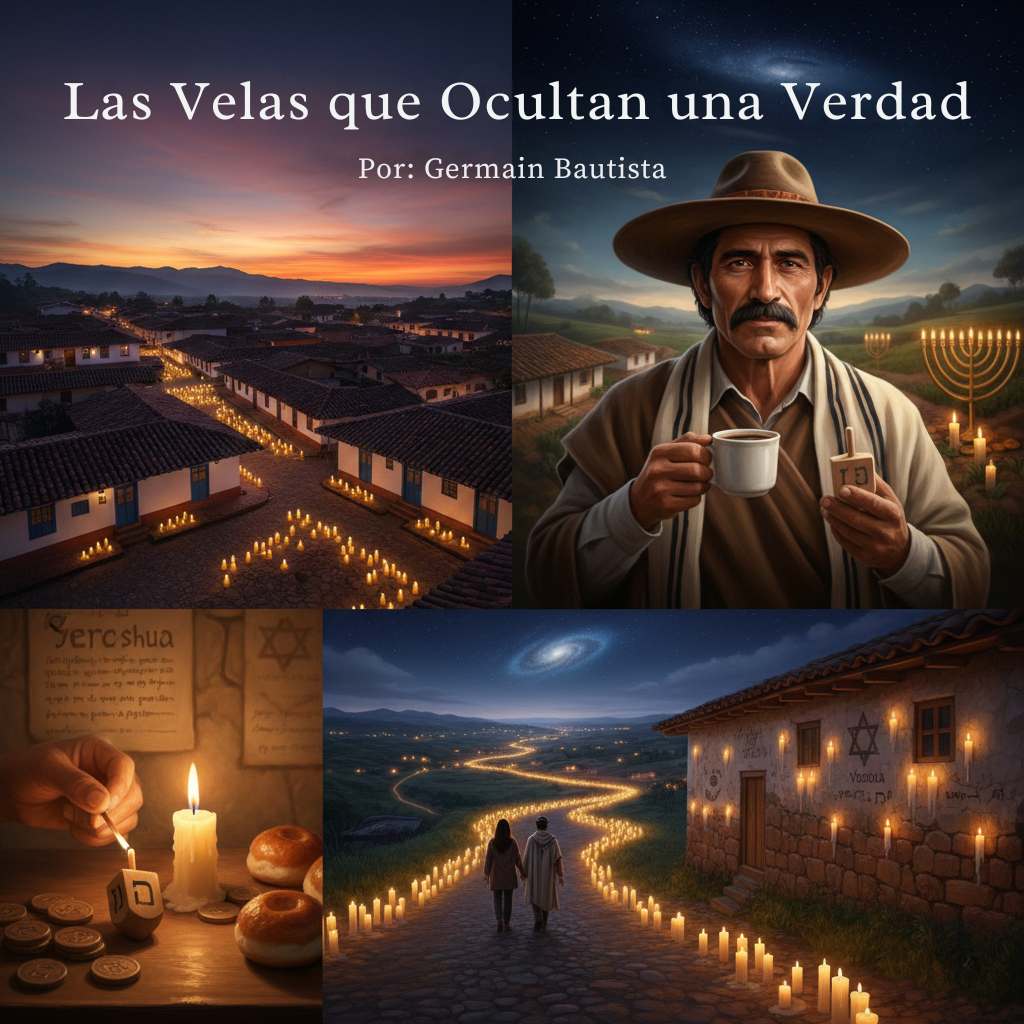
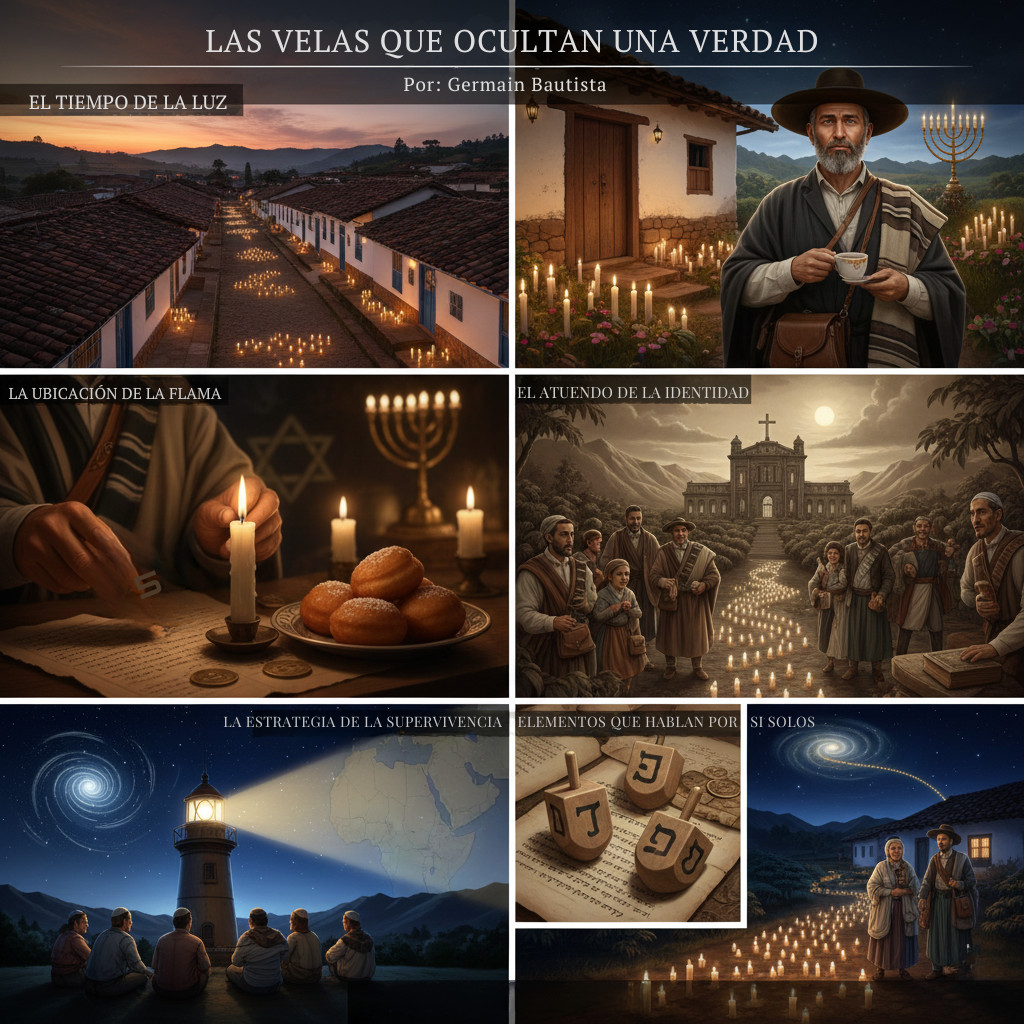
The Timing of the Light: The Church celebrates the Immaculate Conception on December 8th, but tradition dictates lighting the candles on the 7th at sunset. In the Hebrew calendar, days begin at sunset. This is the exact way the commandment to Israel is initiated.
The Location of the Flame: Traditionally, candles were placed in front of the houses, never inside. This act of “publicizing the miracle” is a fundamental requirement of the festival of Hanukkah.
The Attire of Identity: Look at Juan Valdez, the emblem of our coffee. His typical attire—the poncho or ruana—bears a striking structural similarity to the Jewish Tallit. Antioquia has clear records of a strong Jewish origin that merged with the mountains.
The Strategy for Survival
Why call it the “Immaculate Conception” if the background was different? The answer is as painful as it is strategic: the Inquisition in Cartagena. Based on the Colombian Caribbean coast, the persecution forced Crypto-Jews to hide behind Roman ordinances to celebrate while avoiding death.
However, there is a deeper spiritual connection: according to the Scriptures, Yeshua was announced to Miriam during Hanukkah. The “Light of the World” was conceived during the Festival of Lights. It is not a coincidence; it is a perfect design where the miracle of Hanukkah and the announcement of redemption meet.
Elements That Speak for Themselves
Even in everyday life, the Jewish heritage remained alive under other names:
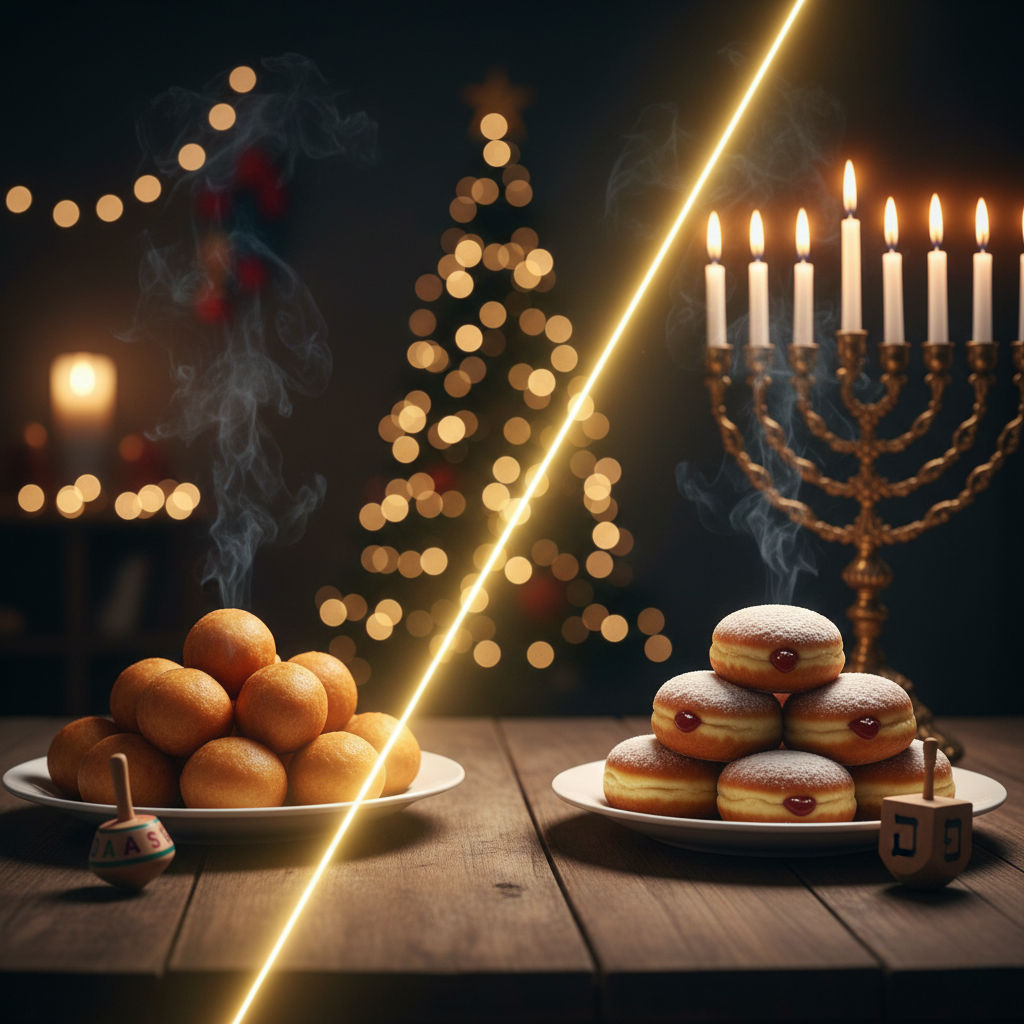
- The Game: What in Judaism is the Dreidel, in our lands was transformed into the perinola or pirinola. A game of chance that served to keep the tradition alive in a playful and discreet way.
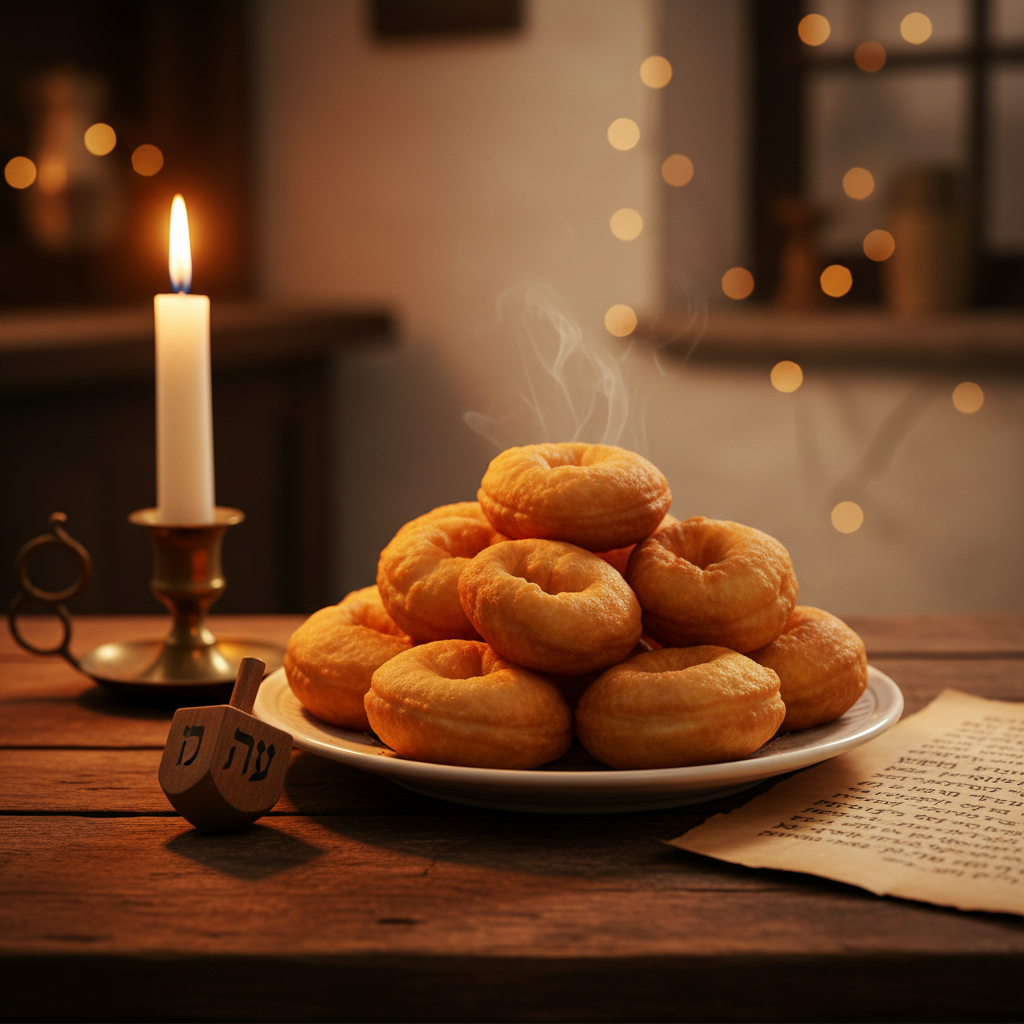
- The Gastronomy: Buñuelos, those fried dough balls that are never missing from our tables, are of undeniable Jewish origin (similar to Sufganiyot), as is the bread pudding (torta de pan).
A Call to Reflection
Even the name of our region, Antioquia, resonates with biblical history, being the place where the followers of Yeshua were called “Christians” for the first time. Coincidence? In free spirituality and the search for Tikkun (repair/learning), we know that coincidences do not exist.
Today, the celebration has spread throughout the country and many call it simply the “Day of the Little Candles,” stripping it of its original context. But by lighting that flame, we are participating in a spiritual warfare and an act of historical memory that transcends dogmas.
We have experienced many things without even understanding their meaning. It is time to look back at our history with love, to “deprogram” ourselves from imposed narratives, and to understand that the light we light in front of our homes in December is, in essence, the celebration of a miracle that refuses to be forgotten.
Think, friends, think. Our identity is written in fire and wax.